Traditional tea processing techniques and their associated social practices in China
Introduction
Tea, a symbol of China's rich cultural heritage, has been a significant element in the daily life of Chinese people for centuries. Renowned for its diverse flavors, aromas and shapes, tea represents a culinary icon that has influenced not only China but also the world beyond its borders. The traditional tea processing techniques and their associated social practices have been recognized by UNESCO as an Intangible Cultural Heritage of Humanity in 2022.
Historical Background
The history of tea in China is a long and storied one, when the legendary Shennong discovered its detoxifying properties. Over time, tea became an integral part of Chinese culture, evolving into a social and ceremonial beverage. During the Tang Dynasty (618-907), tea gained popularity, and a tea culture began to emerge, notably through the work of Lu Yu, who authored "The Classic of Tea" in the 8th century. This comprehensive guide documented the varieties of tea, their origins and the proper techniques for making and drinking it.
The Song Dynasty (960-1279) saw the development of new methods of tea preparation, such as whisking powdered tea, which later influenced the Japanese tea ceremony. In subsequent dynasties, steeping became the primary method of tea preparation, and the use of loose-leaf tea became widespread during the Qing Dynasty (1644-1911).
Traditional Tea Processing Techniques
The art of tea processing in China involves a series of intricate techniques that have been refined over centuries. These methods are essential in producing the diverse range of teas that are cherished for their unique characteristics. The core techniques include hand-picking, withering, rolling, oxidation and firing. Each step plays a crucial role in determining the final flavor, aroma and quality of the tea.
Hand-Picking
The process begins with the careful selection and hand-picking of tea leaves, which is often done in the early morning to ensure the freshness of the leaves. Skilled workers pick only the finest leaves and buds, typically targeting the young, tender shoots. This meticulous selection is crucial, as it directly influences the quality and taste of the final product. Hand-picking is a labor-intensive process that requires expertise and precision, ensuring that the leaves are not damaged during collection.
Withering
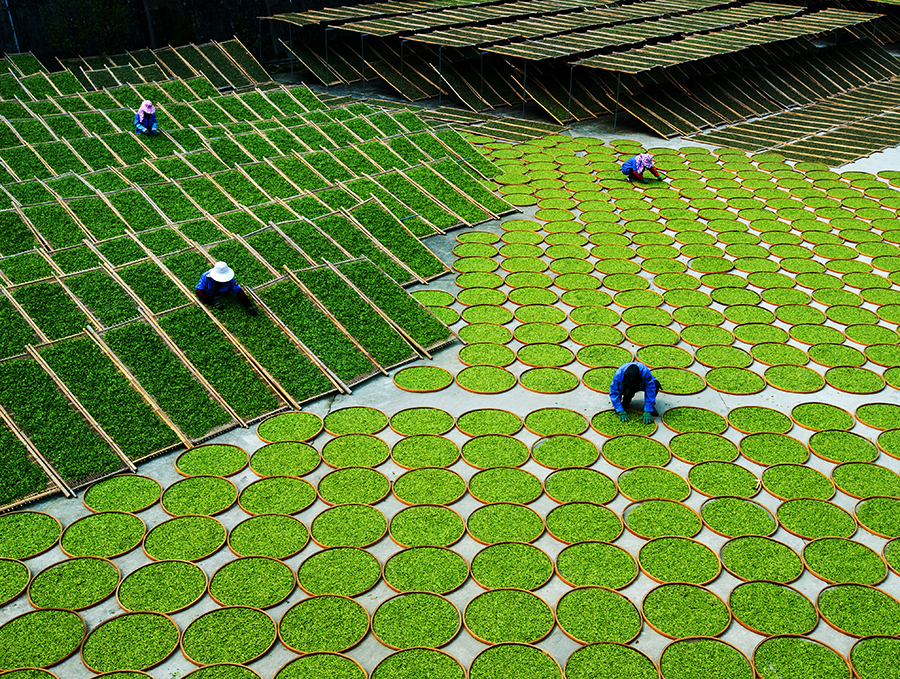
Once picked, the tea leaves undergo withering, a process that allows the leaves to soften and lose moisture. This step is essential as it makes the leaves pliable and ready for the subsequent rolling stage. Withering typically takes place in a controlled environment where the leaves are spread out and exposed to air, allowing for the gradual reduction of moisture. This process not only affects the physical properties of the leaves but also begins to develop the unique flavors and aromas of the tea.
Rolling
The rolling process is where the leaves are shaped and their cell structures are broken, allowing for the release of essential oils. This step enhances the flavor and aroma of the tea. Traditionally, rolling was done by hand, where the leaves were rolled into specific shapes, such as twists or balls. Today, both manual and mechanical methods are used, depending on the type of tea being produced. The rolling process is crucial in defining the appearance and taste profile of the tea.
Oxidation
Oxidation, also known as fermentation, is a vital stage in tea processing that significantly influences the color and flavor profile of the tea. During this process, the rolled leaves are exposed to air, allowing enzymes to react with the natural compounds in the leaves. This reaction leads to the development of distinct flavors and colors, ranging from the light, delicate notes of green tea to the robust, complex flavors of black tea. The degree of oxidation is carefully controlled to produce the desired characteristics of each tea type.
Firing
Firing is the final step in the tea processing technique, where the leaves are heated to halt oxidation and reduce moisture to a stable level. This process locks in the flavors and aromas developed during the previous stages and ensures the preservation of the tea. Firing can be done in various ways, such as pan-frying or baking, depending on the type of tea being produced. This step not only stabilizes the tea but also contributes to its final taste and shelf life.
Social Practices Associated with Tea
Tea in China is not merely a beverage but an integral part of social practices and cultural expressions. The act of preparing, serving, and drinking tea is deeply embedded in Chinese society, playing a significant role in ceremonies, daily life and social gatherings.
Tea Culture in Daily Life
In daily life, tea serves as a medium for communication and social interaction. It is common for families to gather around a pot of tea to share stories and experiences, reinforcing familial bonds. In the workplace, tea breaks offer opportunities for colleagues to connect and collaborate. The ubiquitous presence of tea in Chinese homes, workplaces and public spaces underscores its role as a unifying element in Chinese society.
Tea and Social Gatherings
Tea plays a central role in social gatherings, where it is often served to guests as a gesture of hospitality and respect. In various cultural and religious ceremonies, such as weddings and ancestral rites, tea is used to symbolize unity and continuity. The practice of offering tea to guests fosters a sense of community and belonging, highlighting the importance of tea as a vehicle for social cohesion and cultural identity.
Tea Ceremonies
The Chinese tea ceremony, also known as "tea art", is a refined and elegant ritual that embodies the harmony of tea, water, utensils and environment. This practice focuses on the aesthetic and spiritual aspects of tea preparation and consumption. The ceremony is often conducted in a serene setting, where participants engage in the mindful brewing and appreciation of tea. The ritualistic nature of the tea ceremony fosters a sense of tranquility and reflection, allowing individuals to cultivate inner peace and strengthen interpersonal relationships.
Modern Development
China's rich heritage and expertise in tea cultivation and production have set global standards for quality and innovation. The demand for Chinese tea varieties, such as green, oolong and pu-erh, has soared in international markets, prompting the development of new tea products and blends. Additionally, the emphasis on sustainability and ethical practices in the modern tea industry can be traced back to the traditional values of respect for nature and community well-being embedded in Chinese tea culture.
Efforts to preserve and promote traditional tea processing techniques and social practices are ongoing, with initiatives aimed at safeguarding this intangible cultural heritage. Educational programs in tea science and culture are offered at various institutions, ensuring the transmission of knowledge and skills to future generations. Cultural exchanges and exhibitions aim to raise awareness of Chinese tea culture and foster mutual understanding between China and the rest of the world.








